Moments that drive the call
Plumbing buyers are usually reacting to a very specific moment.
The site should make those moments feel understood right away, whether the problem is urgent or part of a larger upgrade.
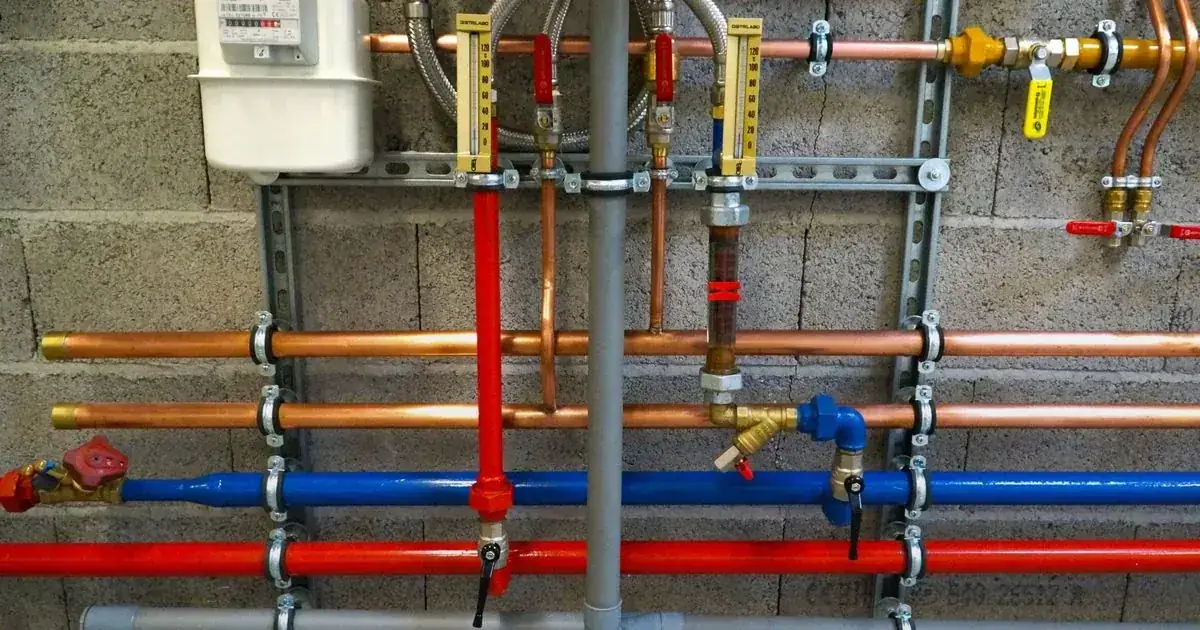
Tell us whether the plumber needs more emergency calls, drain and sewer work, water-heater leads, remodel plumbing, or larger installs.
The site should make those moments feel understood right away, whether the problem is urgent or part of a larger upgrade.
They need quick confidence, not a wall of generic copy.
Water-heater service or replacement should feel fast and easy to find.
Fixture installs and finish work should feel polished, not secondary.
Repipe and larger repair work should feel like something the company handles confidently.
Plumbing customers are often choosing under pressure. A stronger page should quickly answer what to do now, what service fits the problem, and why this company can be trusted inside the home.
Leaks, clogs, backups, burst pipes, and failed water heaters need fast reassurance. Repipes, fixture upgrades, remodel plumbing, and installs need a cleaner planning path.
Leak detection, pressure checks, drain equipment, sewer camera inspections, shutoff guidance, and written findings make the company feel more professional than a generic repair list.
The page should make the visitor feel like they know what happens next: call or request help, describe the issue, protect the home, get options, then approve the right fix.
A plumber site becomes more valuable when it does not treat every lead the same. The best page helps a nervous homeowner, a property manager, and a planned-project buyer each recognize the right path quickly.
Speak to dripping fixtures, hidden leaks, toilet flappers, supply lines, valves, slab concerns, and the immediate action a customer should take before damage spreads.
Separate sink clogs, main-line backups, camera inspections, roots, bellies, hydro jetting, and excavation-sensitive repairs so serious drain work does not look like a simple clog coupon.
Make repair, replacement, tankless options, capacity, age, efficiency, maintenance, and no-hot-water urgency easy to understand without overwhelming the visitor.
Give fixtures, bathrooms, kitchens, laundry rooms, softeners, filtration, repipes, and remodel plumbing enough polish that higher-value work does not disappear behind emergency copy.
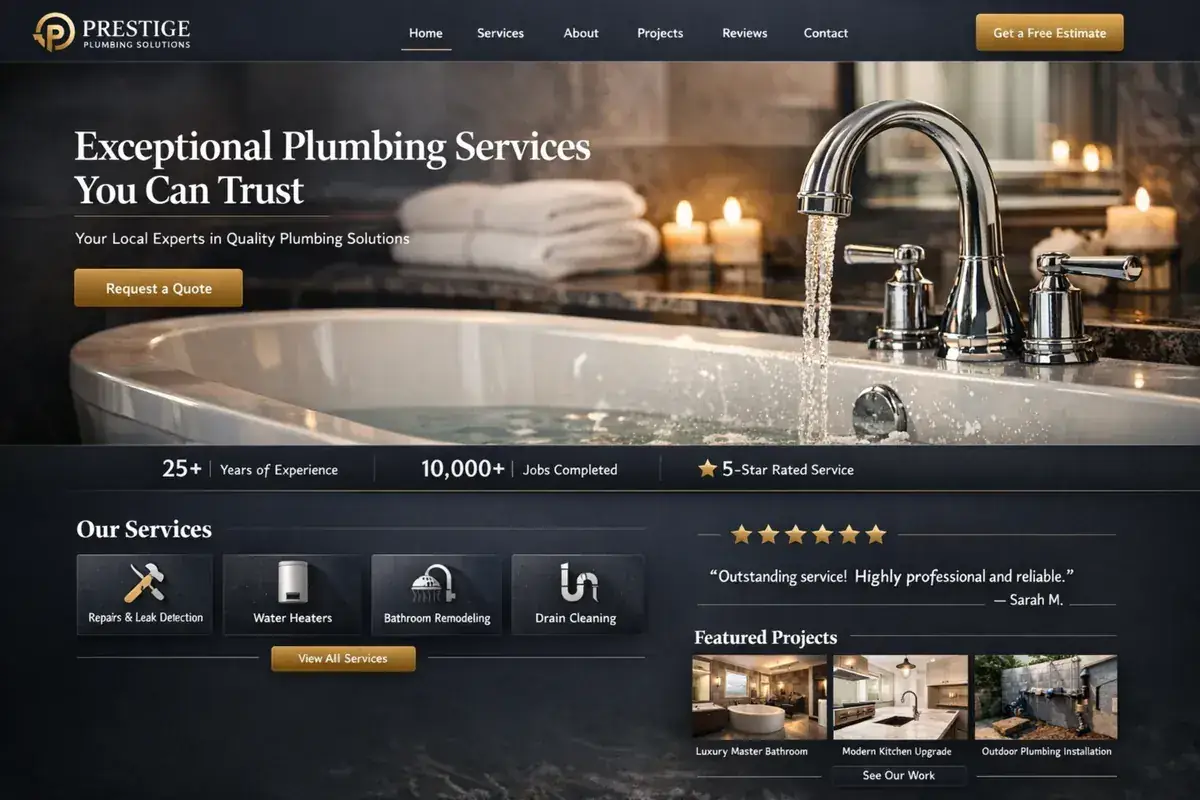
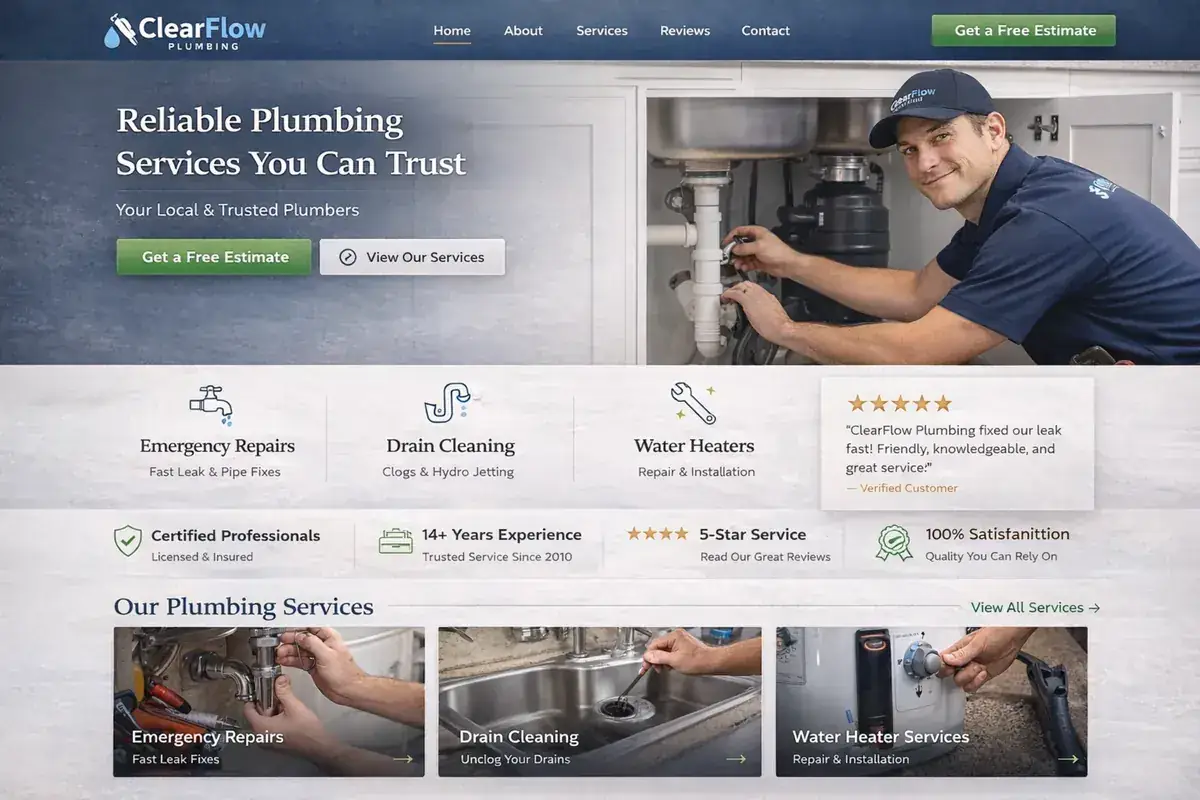
Compare an emergency-response homepage, a drain-and-sewer authority page, and a premium install or remodel plumbing layout.
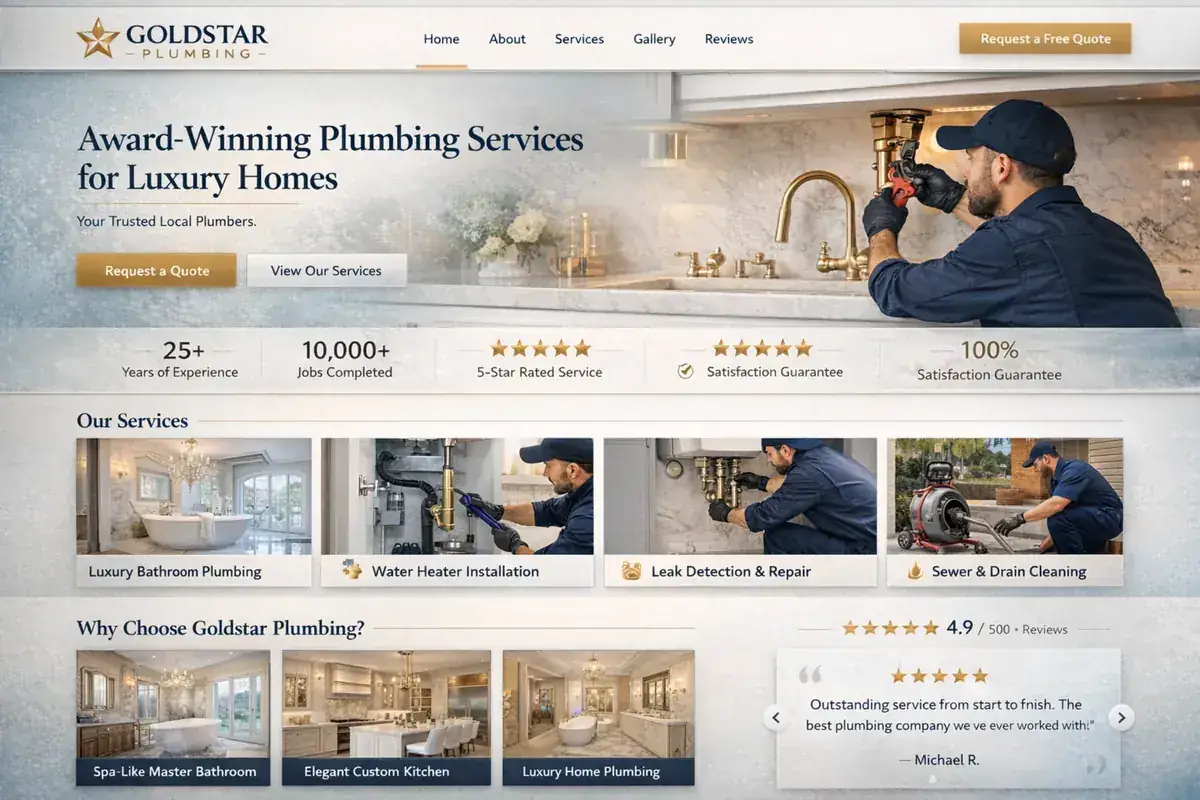
Three ways to present repair calls, drains, sewer scopes, water heaters, repipes, fixture installs, and remodel plumbing without flattening everything into one generic services block.
Best for repair plumbers, drain teams, sewer specialists, water-heater companies, repipe crews, fixture installers, and remodel-friendly plumbing brands that need trust during urgent decisions.
The strongest plumbing page is calm, specific, and practical. It helps customers understand warning signs, service choices, and why the company is qualified to protect the home.
Use direct language for leaks, overflows, backups, frozen or burst pipes, no hot water, shutoff valves, and fast contact so stressful visitors do not have to hunt.
Show camera inspections, moisture checks, pressure issues, recurring-clog patterns, water-heater age, and repair-vs-replace guidance so the company feels careful instead of salesy.
Give clean space to fixture upgrades, bathroom and kitchen plumbing, laundry additions, filtration, softeners, and repipes so planned work feels premium and organized.
Yes. The page can separate urgent leaks, clogs, backups, and water-heater failures from planned fixture upgrades, repipes, remodel plumbing, and maintenance work so each visitor sees the right next step.
Clear response expectations, service-area clarity, proof, reviews, technician professionalism, simple contact actions, and language that explains what happens next all help the visitor feel safe acting quickly.
Yes. Drain clearing, sewer camera inspections, hydro jetting, water-heater repair or replacement, and leak detection all carry different buyer concerns, so they should not be buried in one generic service list.
Yes. Simple explanations around shutoff valves, leak warning signs, sewer-scope value, water-heater timing, water pressure, and prevention can make the company feel more helpful before the first call.