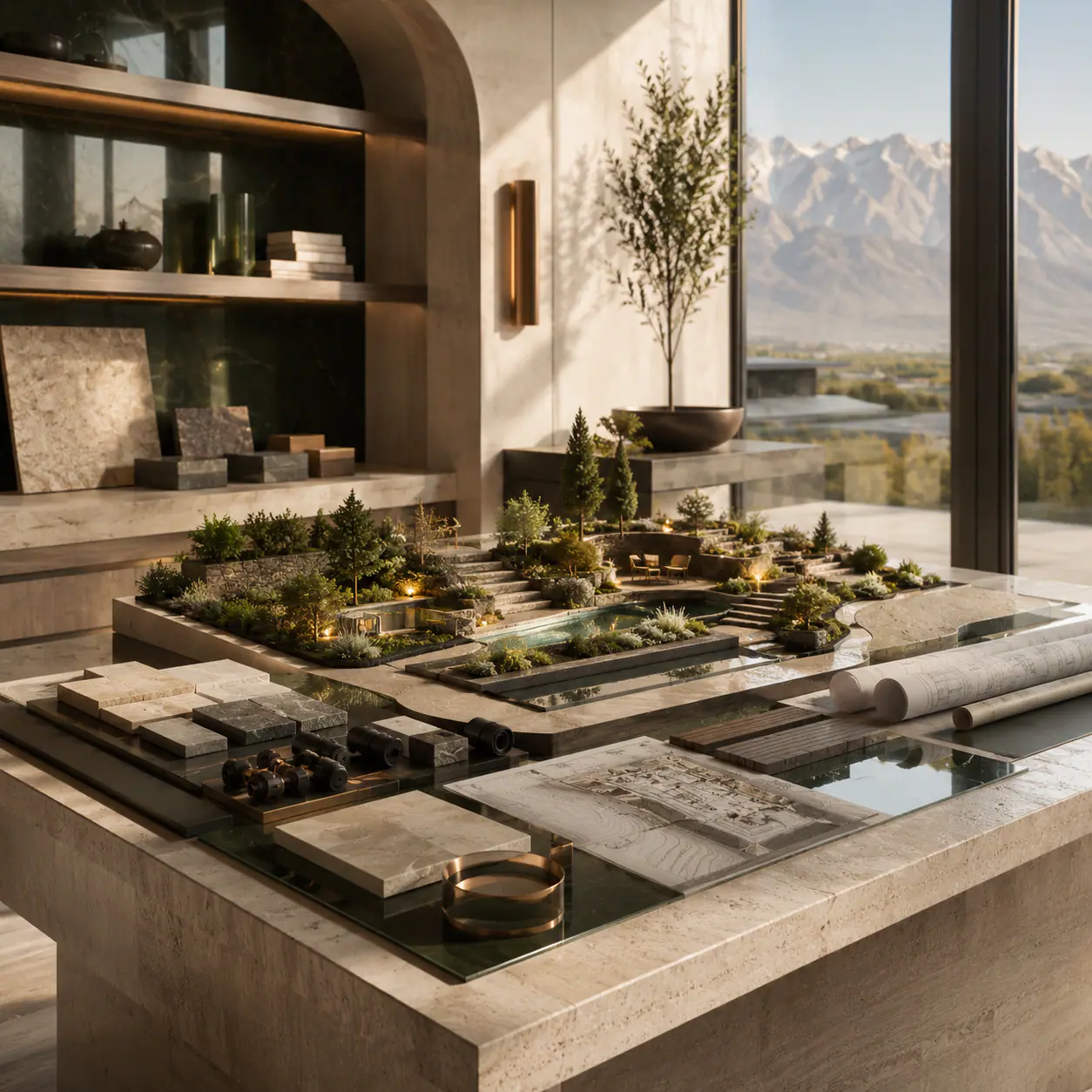
Visual service paths
Hardscape, planting, irrigation, drainage, and maintenance content is grouped in ways real customers understand.
Organize services, visuals, and inquiry paths so outdoor work feels tangible before the first call.
Landscape sites need strong visual planning. Outdoor living, irrigation, drainage, maintenance, and seasonal work feel organized so visitors know whether they are asking for a design project, a repair, or recurring care.
Hardscape, planting, irrigation, drainage, and maintenance content is grouped in ways real customers understand.
Real project photos help buyers see style, scale, and trust quickly.
Large installs and recurring maintenance need different messages, forms, and expectations.
Utah weather, water, and yard timing can shape content when the business confirms the details.
The live examples show how visual services, mobile flow, and project context can work together. A landscaping page would use your design, install, hardscape, sprinkler, cleanup, maintenance, and seasonal service details.
See the project type
Help visitors choose between design, installation, hardscapes, irrigation, drainage, maintenance, and cleanup needs.
Understand the standard
Use visual hierarchy and real photos when available to make the work feel credible.
Start with useful context
Invite the visitor to share property goals, timing, service type, and whether they have photos or a rough project idea.
Landscaping is visual, seasonal, and often hard for buyers to describe. The website has to organize services and proof so the visitor can imagine the property improvement and ask for the right kind of help.
Visual proof needs direction
Photos are stronger when the page explains the service, the setting, and whether the work is design, installation, maintenance, or cleanup.
Project and maintenance intent mix together
A new patio inquiry, weekly maintenance request, sprinkler issue, and cleanup lead need different page paths and expectations.
Seasonal priorities change
Spring cleanup, summer maintenance, fall prep, and outdoor living projects can all matter, but the site needs a stable structure beneath seasonal messages.
Separate outdoor living, planting, maintenance, cleanup, irrigation, and seasonal service language when the business offers them.
Use real supplied photos with short context so visitors understand the type of work instead of just seeing a gallery.
The quote path should ask about property type, service need, timing, and whether the visitor has photos or a rough project idea.
A landscaping inquiry is more useful when the form makes room for project type, property location, desired timing, and whether the visitor needs a one-time job, design/build work, or ongoing care. That helps the business respond with the right expectations.
A landscaping site needs stronger visual organization. Buyers often need to see service categories, photos, seasonal timing, and what kind of property work the company handles.
Usually yes. Recurring maintenance buyers and project buyers are not looking for the same details, so separate paths make the site easier to use.
Yes. Real photos can be used with simple captions and service context, without inventing outcomes or implying every project looks the same.
Yes. It can ask for project type, timing, property needs, and whether the visitor has photos so the callback starts with better context.
Share the services you want more of, the photos or proof you have, and what details would make a landscaping inquiry easier to follow up on.